
Quick answer: Choose khaddar for heavy, structured warmth on cold, casual days. Choose linen for a softer fall, lighter weight and a suit you can wear to evening dinners and winter weddings. Khaddar wins on insulation, and linen wins on drape, breathability and formal wear.
Khaddar suits the buyer who wants the most warmth for everyday wear on the coldest days. Linen suits the buyer who wants a graceful fall, lighter weight and a suit that works for evenings and formal events.
The fabric also decides the cut. Khaddar holds straight, boxy lines, while linen takes flares, gathers and pleats. Buying online adds a catch: a screen hides the weight, the fall and the true colour of the cloth. Match the cloth to your weather, your occasion and your tailor’s plan before you buy a 3-piece suit.
| Factor | Linen | Khaddar |
|---|---|---|
| Warmth | Moderate, blocks a winter breeze | High, traps body heat |
| Weight | Light to medium | Medium to heavy |
| Drape | Fluid, falls softly | Stiff, holds a straight shape |
| Breathability | High, lets heat escape indoors | Moderate, holds heat in |
| Care | Gentle cold wash, dry in shade | Soak before stitching, shrinks on first wash |
| Best use | Evening, formal and winter weddings | Daily and casual wear on cold days |
Where Buying Winter Cloth Online Goes Wrong
Judging Weight Without Touch
On a screen, a heavy winter weave and a light autumn cloth can look the same. Buyers order for winter cover and receive something thinner than they expected.
Look closely at the product photos before you order. Check how tightly the threads sit and whether the surface looks smooth or textured. On Goudos product pages, the magnifying lens lets you check the weave up close.
Trusting the Colour on Screen
Screen brightness and display settings change how a shade looks, so a maroon can arrive deeper or a sage green paler than you pictured. Winter shades sit close together, and a small shift changes which lace or trouser colour will match.
Look at every photo of the piece, not just the first one, and view them at normal screen brightness before you buy lace or matching accessories.
Anticipating the Drape
A flat photo does not show how a fabric falls across the shoulders or at the hem. A stiff cloth needs a straight cut, while a flowing one suits gathers and flares.
The dupatta matters too. A stiff dupatta needs pinning, while a soft one rests easily on the shoulder.
Matching the Cloth to the Season
A Pakistani winter swings between sunny afternoons and cold evenings. Heavy cloth makes you sweat at midday, and thin cloth gives no cover after dark.
Pick the wrong fabric and the suit sits unworn in the cupboard after you have already paid for stitching and lace.
Khaddar: Structured Warmth for Daily Wear
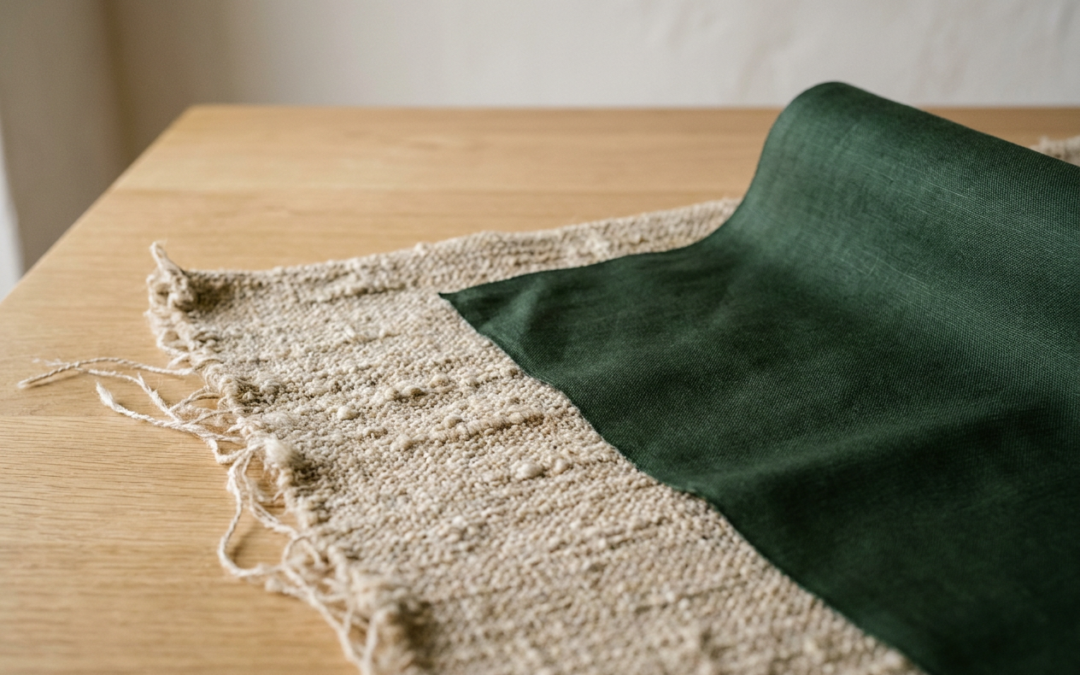
Khaddar is a traditional cotton cloth with a thick, textured weave. It feels substantial in the hand, traps body heat and stands stiffly once stitched.
That stiffness suits straight kurtas and simple trousers. The rustic surface gives khaddar a casual look that fits daily wear on the coldest days.
The trade-off is bulk. Khaddar adds volume at the seams and waist, resists detailed tailoring and shrinks on the first wash. Soak it before it goes to the tailor.
Linen: A Softer Fall for Winter Evenings
Winter linen has a smooth finish and a soft fall. It blocks a cold breeze without the bulk of khaddar, so it suits flowing cuts, formal designs and evening wear.
Goudos sells linen, not khaddar. You will find the winter linen suits in the Goudos unstitched collection.
One example is the 3-piece printed embroidered pure linen suit from the Winter Collection. It pairs a premium winter linen shirt with embroidery, an embroidered dupatta, printed sleeves and a plain dyed winter trouser. Its care instruction is hand wash only in cold water and dry in shade.
Warmth and Weight Compared
Khaddar gives the most insulation. Its bulky weave traps air close to the skin, which suits the coldest weeks of the season.
You also feel that weight on your shoulders all day. Khaddar shields you from a harsh wind but turns heavy once the weather softens.
Linen sits at a medium weight. It stops the wind but lets heat escape when the afternoon warms up. You stay comfortable moving between a sunny garden and a shaded room.
How Each Fabric Drapes and Falls
Tell your tailor the fabric before you settle on the cut. Khaddar wants straight, structured lines: boxy kurtas, straight trousers and simple necklines. A wide flare in khaddar looks bulky, and a khaddar dupatta often needs pins to stay in place.
Linen gives the tailor more freedom. It flows, takes pleats and gathers, and suits wide shalwars and flared shirts. A linen dupatta drapes over the shoulder without bunching, which makes linen the stronger choice for formal winter events.
Breathability and Daily Comfort
Khaddar holds heat in. That works outdoors on a chilly morning, but it gets warm fast in a heated room or on a busy afternoon.
Linen breathes. The fibres absorb moisture and let air move, so you stay comfortable in a crowded room or at a long evening event. Khaddar commits to warmth, while linen balances warmth with airflow, which makes it the more breathable formal winter fabric of the two.
Care Requirements and Longevity
Khaddar soaks up a lot of water and dries slowly on the line. It shrinks after the first wash, so soak the unstitched cloth before stitching. Wash it in cold water and dry it out of direct sun to protect the colour.
Linen needs a gentler routine. Cold water and drying in the shade protect the colour and embroidery, and linen dries faster than thick khaddar. Iron it while slightly damp to keep the fall smooth.
For the Goudos linen suit, follow the care line on its product page: hand wash only in cold water and dry in shade.
Matching the Fabric to the Occasion
Khaddar belongs in the casual daytime wardrobe: errands, morning classes and days at home. Its rustic texture and stiff fall make it a weak fit for formal dinners and evening weddings.
Linen is the base for winter formal wear. Its smooth surface carries embroidery well, and its fall turns a simple design into a dressed-up outfit for dinners, gatherings and winter weddings.
What to Check Before You Buy a Winter Unstitched Suit
Run through these six checks before you place the order.
- Weave: look closely at the photos and check how thick and tight the threads look.
- Colour: view every photo at normal screen brightness before you match lace or a trouser.
- Occasion: pick khaddar for casual cold days and linen for evenings and formal events.
- Cut: straight, boxy designs suit khaddar, while flares, pleats and gathers suit linen.
- Care: read the washing instructions and make sure you can follow them.
- Dupatta: check the dupatta fabric in the 3-piece so it drapes the way you want.
If linen fits your winter, browse the Goudos unstitched collection. Check the weave with the magnifying lens on each product photo, then pay cash on delivery anywhere in Pakistan.
Frequently Asked Questions (FAQs)
Which is warmer, linen or khaddar?
Khaddar is warmer. Its thick weave traps body heat, which suits the coldest outdoor days. Linen gives moderate warmth: it blocks a winter breeze and still breathes, so it suits mild to cold days and evenings indoors.
Does khaddar shrink after washing?
Yes. Khaddar shrinks on the first wash. Soak the unstitched cloth before the tailor cuts it, or the finished suit can come out tight.
Which fabric is better for formal wear?
Linen. Its smooth finish carries embroidery well and it falls softly across the body. Khaddar’s stiff, rustic texture suits casual daytime wear.
Can I machine wash winter linen?
Not the Goudos winter linen suit. Its product page says hand wash only in cold water and dry in shade. Hand washing also protects the embroidery and the colour.
Does Goudos sell khaddar suits?
No. Goudos sells linen and cotton silk unstitched suits, not khaddar. You can see the full range in the unstitched collection.