
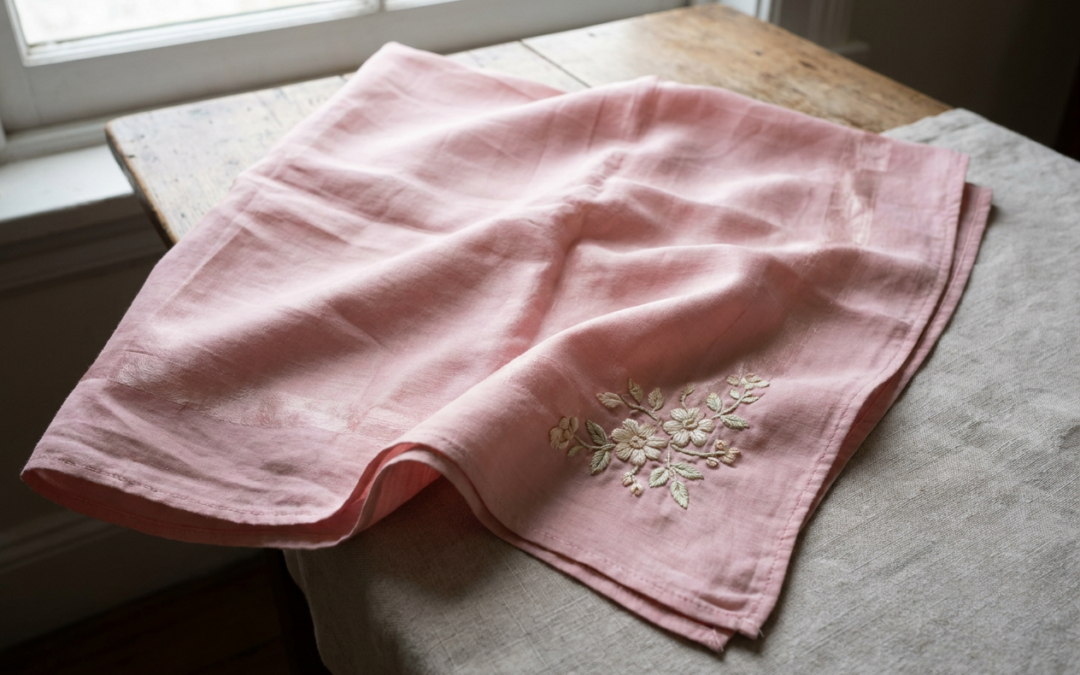
Quick answer: Cotton silk joins the softness and breathability of cotton with some of the sheen of silk. It suits year-round and festive wear, carries embroidery well and looks dressed up while staying comfortable through a long day.
Cotton silk is a woven blend of cotton and silk yarns. The cotton makes it soft and breathable, and the silk adds a gentle sheen, so a cotton silk suit looks dressed up and still feels comfortable from morning to night.
When you buy unstitched suits online in Pakistan, you cannot feel the cloth first. A thin weave, colour that looked richer on screen or polyester passed off as a silk blend only shows once the parcel is open. Knowing how cotton silk should look, feel and fall tells you what to check in the photos before you order.
It sits between everyday cotton and delicate pure silk. In an unstitched suit, that means a shirt piece with enough body for a straight cut, enough polish for an Eid dinner or a wedding-season evening and enough strength to carry embroidery.
| Fabric | Feel and drape | Sheen | Breathability | Best use |
|---|---|---|---|---|
| Cotton silk | Soft, with a structured fall | Soft and muted | High | Year-round festive wear and heavy embroidery |
| Pure silk | Very smooth and flowing | Bright and reflective | Good | Formal evening wear |
| Pure cotton | Crisp and relaxed | Matte | Very high | Daily summer wear |
How Cotton Silk Feels and Drapes
Pick up a cotton silk shirt piece and you notice its weight first. It has more body than summer lawn and feels lighter than winter khaddar.
The cotton yarns give the cloth a stable base, so it holds a straight cut and a tailored fit. The silk yarns add a soft gloss that catches the light without looking shiny.
On the body, cotton silk falls smoothly and does not cling. It stays crisp enough to show embroidery on the neckline and hemline. A cotton silk dupatta also sits neatly on the shoulder instead of sliding off.
The blend changes how colour looks, too. Cotton takes dye deeply and dries to a flat finish, while silk gives dye a bright, reflective surface. Cotton silk sits in between, so deep shades like mustard, dark green and black look rich with a muted glow.
That makes it a flattering pick for daytime events. In strong sunlight, pure silk can look too bright. Cotton silk does not.
How Cotton Silk Differs From Pure Silk and Pure Cotton
A pure cotton suit is comfortable and easy to wear, but its matte finish reads casual. A pure silk suit looks rich, but it is delicate and needs careful handling.
Cotton silk takes the best of each: the comfort and breathability of cotton and enough sheen to dress an outfit up. It is also easier to stitch. The cloth does not slide around the cutting table the way pure silk does, so your tailor can cut the shirt and trouser pieces accurately.
Are Silk Cotton and Cotton Silk the Same?
In most shops, yes. Silk cotton and cotton silk are two names for the same blended fabric, and sellers use them interchangeably.
When the order of the words does mean something, it points to how the cloth was woven. On a loom, the warp yarns run lengthwise and the weft yarns pass over and under them. Some weavers use cotton for the warp and silk for the weft. Others reverse it.
In an unstitched suit, you will rarely see the difference. Both give you the same mix of cotton comfort and silk sheen. Yarn quality matters far more: a blend that swaps real silk for synthetic yarn feels stiffer and traps more heat.
Wearing Cotton Silk in Winter
Cotton silk handles the change of season well. Its close weave holds a little body heat, so it feels warmer than thin summer lawn on autumn and early spring evenings.
In the coldest weeks of December and January, wear it under a heavy shawl and a warm inner layer, or switch to a heavier winter fabric. The smooth shirt surface lets a shawl or coat slide on without bunching at the shoulders. Our guide to winter fabrics for women in Pakistan compares the heavier options.
What to Check When Buying Cotton Silk Online
Photos cannot tell you everything, but they tell you a lot when you know where to look. Check these four things before you order.
- Thickness of the weave: Bright studio lights can hide a thin weave. Look for close-up shots of the cloth itself. If light shows through the weave, plan on a lining for the shirt.
- Depth of the embroidery: From a distance, flat embroidery and raised thread work look alike. Zoom in on the motifs. Check whether the stitches have relief and whether the threads look tight and even.
- True colour: Heavy photo editing changes shades. A deep mustard or phirozi can arrive looking brown or pale blue in daylight. Photos shot in natural light with no colour grading show you the real shade.
- The fibre itself: Cheap polyester knock-offs sold as silk blends feel scratchy, refuse to drape and bunch at the waist and hips once stitched. Make sure the product page names the fabric as cotton silk.
What Is Cotton Silk Fabric Like for Embroidery?
Heavy embroidery needs a strong base. On a delicate fabric, the pull of dense stitching puckers the cloth around each motif or opens small holes in the weave.
Cotton silk handles dense thread work well. The cotton yarns grip each stitch, so the base stays flat under heavy embroidery on the front panel, neckline and hemline. The finished suit looks formal and still feels soft against the skin, which is why embroidered festive wear is one of the best uses for this fabric.
Goudos Cotton Silk Unstitched Suits
Goudos stocks cotton silk 3-piece unstitched suits in its 4-Season and All-Season collections. Each comes as shirt, trouser and dupatta lengths for your own tailor.
Every product photo is a 1611 x 2000 original, never upscaled, shot in daylight on plain white paper with no colour grading. Hover over the cloth with the magnifying lens to check the weave and thread work before you order.
- 3-Piece Embroidered Cotton Silk Suit (4-Season): thread work on the neckline, front panel and hemline. Colours: Black, Light Brown, Phirozi, Pink and Yellow.
- Embroidered Cotton Silk 3-Piece Suit, All-Season Collection 03: heavy embroidery on both the shirt and the dupatta. Colours: Black, Mustard, Orange and Pink.
- 3-Piece Cotton Silk Embroidered Suit (4-Season): heavy embroidery across the front. Colours: Black, Dark Green, Mustard, Pink, Purple and Yellow.
Care notes for each suit are on its product page. Goudos offers cash on delivery anywhere in Pakistan, so you pay when the parcel reaches your door.
When Cotton Silk Is the Right Pick for Your Next Suit
Pick cotton silk if you want one embroidered suit that works for a daytime event, an Eid dinner and a cool autumn evening. Pick pure silk if the suit is only for formal nights and you are happy to handle it with care. For outdoor functions in December and January, go for a heavier winter fabric instead.
Once you settle on cotton silk, open one of the three suits above and zoom into the neckline, the front panel and the plain cloth between the motifs. If the weave looks close and the thread work looks even, order it and hand the three pieces to your tailor.
Browse the full unstitched collection to compare every cotton silk and linen suit in stock.
Frequently Asked Questions (FAQs)
What is cotton silk fabric best used for?
Semi-formal and festive unstitched suits. The blend has enough body for a straight-cut shirt and heavy embroidery, and the silk adds a sheen that suits evening wear.
Is silk cotton the same as cotton silk?
Yes. For unstitched suits, both names describe the same fabric: a weave of cotton and silk yarns. Where a seller does separate the names, the difference lies in which yarn runs lengthwise on the loom.
Can I wear cotton silk in summer?
Yes. The cotton breathes, so it is far more comfortable in the heat than a synthetic blend. It does feel a little warmer than thin summer lawn.
Is cotton silk warm enough for winter?
It is warm enough for autumn and early spring evenings and feels warmer than lawn. In deep winter, layer it with a shawl or choose a heavier winter fabric.
Does cotton silk shine like pure silk?
No. Cotton silk has a soft, muted sheen, not the bright, reflective shine of pure silk, so it is easier to wear in daylight.